
Angel Investor · Thu Aug 27 2026
Angel Investors in Pakistan: Complete Guide to Startup Funding
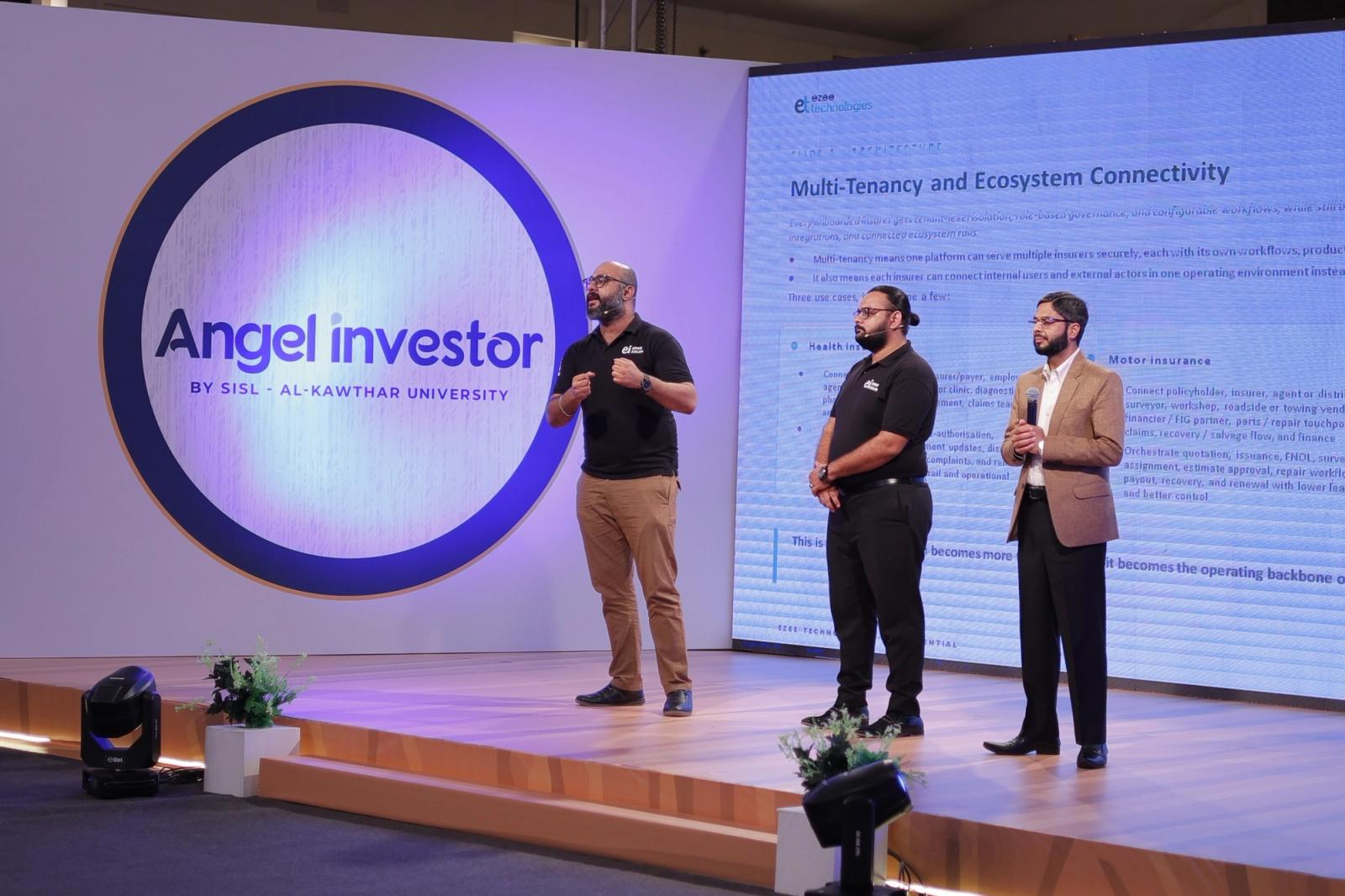
Angel investors in Pakistan are individuals, business leaders, and professionals who invest their own capital into early-stage startups in exchange for equity or other investment agreements. They typically support startups during the early stages of development by providing funding for product building, market validation, customer growth, and business expansion, while often offering mentorship and industry connections.
Finding early-stage funding remains one of the biggest challenges for startups in Pakistan. Many founders reach a point where they need capital to build their product, grow their team, and expand their market presence, but traditional financing options often don’t fit the needs of young businesses.
Angel investors help bridge this gap by investing their own capital into early-stage startups. Along with funding, they often bring industry experience, mentorship, and valuable connections that help founders make better decisions during the early stages of growth.
Before approaching investors, understanding what an angel investor provides[a] helps you evaluate whether this type of funding matches your startup’s current stage and goals.
This guide explores how angel investing works in Pakistan, where founders can find investors, what investors look for before committing capital, and how startups can prepare for successful funding conversations.
What Is an Angel Investor?
An angel investor is an individual who invests their own capital into early-stage startups in exchange for equity ownership or another agreed investment structure.
Unlike traditional lenders, angel investors typically support businesses before they have the revenue history, assets, or scale required for conventional financing.
Beyond funding, experienced angel investors often contribute strategic guidance, industry knowledge, and valuable networks. Their support may help founders refine their business model, make important hiring decisions, prepare for future fundraising rounds, and avoid early operational mistakes.
| Investment Factor | Angel Investor | Traditional Lender |
|---|---|---|
| Source of Capital | Personal wealth and individual investment | Bank deposits or institutional lending capital |
| Startup Stage | Early-stage businesses, including pre-seed and seed companies | Established businesses with predictable repayment ability |
| Investment Structure | Equity, convertible instruments, or other startup agreements | Loans with repayment obligations and interest terms |
| Founder Support | Often includes mentorship, industry connections, and strategic advice | Primarily focused on repayment and financial security |
How Angel Investing Works in Pakistan
Pakistan’s startup ecosystem is developing rapidly, supported by a large young population and increasing digital adoption. According to a report, Pakistan had 117 million internet users and 197 million cellular mobile connections at the end of 2025, creating significant opportunities for startups building digital products and services.
However, early-stage founders often face a funding gap. Businesses that are still validating their product, acquiring their first customers, or building operational systems may not qualify for traditional financing, while larger venture capital funds usually focus on companies with stronger growth metrics.
Angel investors help bridge this early-stage gap by providing capital when startups need it most.
Typical funding stages include:
| Startup Stage | Primary Focus | Common Funding Sources in Pakistan |
|---|---|---|
| Idea & Validation | Customer research, prototype development, testing demand | Founder savings, friends and family, early angel investors |
| Early Traction | First customers, revenue validation, improving unit economics | Angel networks, accelerators, seed platforms |
| Scaling & Expansion | Growing teams, entering new markets, increasing operations | Venture capital funds and larger investment rounds |
Angel investment is not guaranteed funding. Investors evaluate whether a startup has a strong market opportunity, capable founders, realistic financial planning, and the ability to execute in changing conditions.
Recent funding shows Pakistan’s startup funding environment has become more selective, with startups having raised $59 million in 2026, reflecting a more cautious investment climate compared with previous years.
Where Can You Find Angel Investors in Pakistan?
Finding the right investor requires more than reaching out to anyone willing to provide capital. Founders need investors who understand their industry, startup stage, and growth plans.
Common channels include:
Organized Angel Networks and Platforms
Angel networks bring together investors who actively evaluate startup opportunities. These platforms help founders access a more structured fundraising process rather than relying only on personal connections.
Exploring top angel investment networks in Pakistan[b] can help founders identify platforms and communities relevant to their sector.
Pakistani Diaspora Investors
Many Pakistani entrepreneurs, executives, and professionals based in markets such as the GCC, UK, and North America remain connected to opportunities in Pakistan.
Diaspora investors may bring not only capital but also international market knowledge, business connections, and operational experience.
Investors interested in accessing startup opportunities can also join as an investor[c] and participate in a structured investment ecosystem.
Accelerators, Incubators, and Startup Events
University innovation centres, startup accelerators, and entrepreneurship programs often provide founders with opportunities to present their businesses through demo days, competitions, and investor sessions.
Industry Networks and Business Communities
Experienced entrepreneurs, corporate leaders, and sector specialists may invest in startups related to industries they understand, including technology, logistics, healthcare, education, and financial services.
AngelInvestor.pk: Connecting Pakistani Founders with Investors
As Pakistan’s startup ecosystem becomes more organized, founders need reliable ways to connect with investors who understand early-stage businesses.
AngelInvestor.pk provides a platform that connects Pakistani startups with investors through a structured investment ecosystem. The platform focuses on helping founders present their businesses, access potential investors, and build relationships that go beyond a single funding transaction.
The platform supports founders through:
- Startup Evaluation:
Reviewing business models, market potential, team capabilities, and growth opportunities.
- Founder-Investor Connections:
Helping investment-ready startups reach relevant investors based on their sector and funding stage.
- Investment Preparation:
Guiding founders on presenting their business clearly through stronger valuations, pitch materials, and investor communication.
For founders, this creates a more organized alternative to relying entirely on personal networks or cold outreach. For investors, structured deal flow makes it easier to discover startups that match their investment interests.
You can submit your startup application to present your business opportunity to potential investors.
How to Find Angel Investors in Pakistan: A Practical Blueprint
Finding angel investors requires preparation, research, and a targeted approach. Sending the same pitch to every investor rarely produces strong results because different investors look for different industries, business models, and startup stages.
A more effective approach involves four steps:
1. Build a Targeted Investor List
Start by identifying investors whose interests match your startup.
Consider:
- Their previous investments
- Industry experience
- Preferred startup stage
- Geographic focus
- Typical investment size
A fintech founder, for example, may benefit more from approaching an investor familiar with financial technology than someone focused entirely on consumer brands.
Researching how to find angel investors in Pakistan[d] can help you understand where founders typically discover suitable investment opportunities.
2. Prepare Before Starting Conversations
Investors receive many startup pitches. A clear pitch deck, realistic financial model, and strong understanding of your market help demonstrate that you are prepared.
Before approaching investors, make sure you can explain:
- What problem your startup solves
- Why the problem matters
- Who your customers are
- How you acquire users
- How your business generates revenue
- How much funding you need and why
3. Use Startup Platforms and Networks
Startup platforms, accelerators, and investor networks can help founders reach investors more efficiently.
Rather than approaching investors without context, structured platforms create opportunities where founders can present their businesses through a clearer evaluation process.
4. Build Relationships Before Raising
Fundraising is often easier when investors already understand your progress.
Attend:
- Startup events
- Founder communities
- Demo days
- Industry networking sessions
Building relationships early allows investors to follow your progress instead of seeing your startup for the first time during an urgent funding round.
What Should You Prepare Before Approaching Investors?
Angel investors evaluate more than the idea itself. They want to understand whether the business has the market opportunity, execution capability, and financial discipline required to grow.
Before beginning investor conversations, prepare the following:
Pitch Deck
A strong pitch deck usually covers:
Problem
Investors need to understand the specific challenge your startup is solving. Clearly explain the customer pain point, why existing solutions are insufficient, and why this problem is worth addressing.
Solution
Explain how your product or service solves the identified problem. Highlight what makes your approach different, how it works, and why customers would choose your solution over available alternatives.
Market Opportunity
Show investors the potential size of the opportunity. This includes your target customers, the market you are entering, and why there is room for your startup to grow.
Business Model
Explain how your startup generates revenue and how the business can become sustainable. Investors want to understand your pricing strategy, revenue streams, and the economics behind your growth.
Traction
Demonstrate the progress your startup has already made. This may include customer growth, revenue, partnerships, product adoption, user engagement, or other evidence that validates market demand.
Team
Introduce the people building the company and explain why they are equipped to execute the vision. Highlight relevant experience, industry knowledge, technical skills, or previous achievements.
Financial Plan
Clearly outline how much funding you are seeking, how the capital will be used, and what milestones it will help you achieve. Investors want to see that you understand your financial requirements and growth plans.
Your pitch should answer one central investor question:
Why is this startup worth supporting at this stage?
Business Documentation
Before investing, angels need a clear understanding of how your company is structured and operated. Organized documentation helps investors verify key details about ownership, finances, legal standing, and business progress.
Prepare documents such as:
- Company registration documents
- Financial records
- Ownership structure
- Customer information
- Product roadmap
- Existing agreements or partnerships
A clean documentation process reduces uncertainty during investor discussions.
Understanding Your Numbers
Investors need to see that you understand the financial health and growth potential of your startup. Knowing your key business metrics helps you explain how your company is performing, where challenges exist, and how the investment will support future growth.
Important metrics may include:
- Customer acquisition cost (CAC)
- Customer lifetime value (LTV)
- Revenue growth
- Monthly expenses
- Cash runway
- Retention rates
You don’t need perfect numbers at the earliest stage, but you need a realistic understanding of what drives your business.
What Do Angel Investors Look For in Pakistani Startups?
Angel investors usually evaluate whether a startup has the potential to become a sustainable and scalable business.
Key factors include:
A Real Market Problem
Investors look for startups solving meaningful problems rather than simply building technology without a clear customer need. Strong opportunities often emerge where businesses address inefficiencies in areas such as:
- Financial services
- Healthcare access
- Education
- Logistics
- Retail systems
- Business operations
Market Opportunity
Pakistan’s large consumer base and growing digital adoption create opportunities across multiple sectors. However, investors still need to understand whether a startup can realistically capture part of that market.
A large market alone is not enough. Founders must demonstrate:
- Who their customers are
- Why customers need the product
- How the startup can reach them
Founder Capability
Early-stage investors often place significant importance on the founding team.
They evaluate:
- Industry understanding
- Speed of execution
- Ability to adapt
- Technical or operational expertise
- Commitment to solving the problem
Sustainable Business Metrics
Growth numbers matter, but investors also want to understand the quality behind those numbers.
Important indicators include:
- Customer retention
- Revenue quality
- Cost efficiency
- Pricing strategy
- Ability to scale operations
Angel Investor vs Venture Capital in Pakistan
Understanding the difference between angel investors and venture capital funds helps founders approach the right source of capital at the right stage.
| Factor | Angel Investor | Venture Capital Fund |
|---|---|---|
| Source of Capital | Personal wealth of individual investors | Institutional funds managing pooled capital |
| Typical Stage | Pre-seed, seed, early traction | Later seed, Series A, and growth stages |
| Investment Approach | Often combines capital with personal mentorship | Structured investment process with formal governance |
| Decision Process | Usually faster and relationship-driven | Longer evaluation involving investment committees |
| Founder Relationship | Often hands-on advisory support | Strategic support with formal reporting structures |
Angel investors are often the first external investors a startup works with, while venture capital usually becomes more relevant once a company has stronger traction and larger growth requirements.
The distinction between angel investors and venture capital[e] becomes especially important when deciding which funding route fits your startup’s current stage.
Common Mistakes Pakistani Founders Make When Seeking Investment
Around 90% of startups fail to progress beyond their early stages, highlighting how competitive the startup journey can be. For founders seeking investment, many fundraising challenges come not from a lack of opportunity, but from insufficient preparation, unclear positioning, weak market validation, or incomplete financial planning.
Common mistakes include:
Pitching Without Validation
A strong idea is only the starting point. Investors want evidence that customers actually need the product. This may include:
- User interviews
- Early sales
- Prototype feedback
- Customer retention data
Focusing Only on the Product
Founders often spend too much time explaining features and not enough time explaining:
- Market size
- Customer acquisition
- Revenue model
- Competitive advantage
Not Understanding Financial Requirements
Many founders focus on how much funding they want without clearly explaining why they need it. Investors need to see that your funding request is connected to a realistic growth plan and measurable business milestones.
They want to understand:
- How much capital you need
- What milestones it will achieve
- How long the funding will last
A funding request without a clear plan creates uncertainty.
Giving Away Too Much Equity Too Early
Early fundraising decisions affect future rounds. Founders should understand valuation, dilution, and ownership structure before agreeing to investment terms.
How AngelInvestor.pk Helps Connect Startups and Investors
Finding the right investment opportunity can be challenging from both sides. Founders often struggle to reach investors who understand their industry, while investors need a reliable way to discover startups with strong teams, clear business models, and genuine growth potential.
AngelInvestor.pk helps bridge this gap by creating a structured platform where promising Pakistani startups can present their businesses and investors can discover opportunities that match their interests.
For founders, this means moving beyond random outreach and presenting their startup through a more organized evaluation process. For investors, it provides access to startups that have been reviewed for key factors such as market opportunity, team capability, and business readiness.
The process generally involves:
Step 1: Submit Your Startup Application
The process begins with founders sharing the key details investors need to understand the opportunity. A complete application helps AngelInvestor.pk evaluate the startup’s market potential, business model, team strength, and funding requirements.
Founders typically provide information such as:
- Company overview
- Market opportunity
- Team information
- Funding requirements
- Pitch materials
You can begin by completing the startup application process[f].
Step 2: Share Your Business Information
Once your application is submitted, providing detailed business information helps investors understand your startup beyond the initial idea. Clear information around your market, traction, financial position, and growth plans allows investors to evaluate whether the opportunity aligns with their investment interests.
This information may include:
- Revenue details
- Growth metrics
- Customer information
- Product roadmap
- Ownership structure
Step 3: Evaluation
A structured evaluation helps ensure that investors are introduced to startups with clear potential and that founders are matched with relevant investment opportunities.
The review process focuses on understanding the strength of the business, the capability of the founding team, and the startup’s readiness for investment conversations.
Key evaluation areas may include:
- Market potential
- Team capability
- Business model
- Growth opportunity
Step 4: Investor Connections
Startups that match investor interests may be introduced to relevant investors based on their industry and funding stage.
If you are building a startup and looking for early-stage investment opportunities, you can apply as a startup and begin the process.
Conclusion: Finding the Right Angel Investor for Your Startup
Angel investment can provide early-stage startups with more than financial support. The right investor can bring industry experience, strategic advice, and connections that help founders navigate the challenges of building a company.
For Pakistani founders, finding investment requires preparation, patience, and a clear understanding of what investors evaluate. A strong opportunity is supported by a clear problem, capable team, realistic business model, and evidence that the startup can grow.
For investors, supporting early-stage businesses requires careful evaluation and a long-term perspective. Startup investing carries risk, but informed decisions and strong founder-investor relationships can create meaningful opportunities.
Platforms such as AngelInvestor.pk aim to make these connections more structured by helping startups present their opportunities and helping investors discover emerging businesses.
Whether you are a founder seeking your first investment round or an investor looking for promising startups, understanding how angel investing works is the first step toward making better decisions.
Frequently Asked Questions
What is the typical investment amount from an angel investor in Pakistan?
Angel investment amounts vary based on the startup stage, investor preference, valuation, and funding requirements. Early-stage investments are usually smaller than venture capital rounds.
How much equity should a founder give to an angel investor?
There is no fixed percentage. Equity depends on the startup’s valuation, investment amount, stage, and agreement between the founder and investor.
Can Pakistani startups receive investment from overseas angel investors?
Yes, Pakistani startups may receive investment from overseas angels, including diaspora investors. However, cross-border investments involve additional legal and regulatory considerations.
What is the difference between angel investment and venture capital?
Angel investors typically invest their own capital into early-stage startups, while venture capital funds invest institutional capital into businesses with stronger growth potential and larger scaling requirements. Understanding the difference between angel investors and venture capital[g] helps founders choose the right funding path for their current stage.
How long does it take to raise angel funding in Pakistan?
The timeline varies depending on the startup, investor interest, due diligence process, and how prepared the founder is with their business information.